佳裕兴科技

Company Spirit: Proactive, Innovative, and Responsible!A physical foreign-owned enterprise integrating research and development and production

Language:EN | 中文

Hotline:13632814912

You are here:Home > News > Industry news

Transportation and storage of automotive radiator hoses

Time:2025-02-10Page views:658

Radiator hoseAs an important component of the automotive cooling system, precautions during transportation and storage are crucial. The correct transportation and storage methods can not only ensure the performance and quality of the hose, but also extend its service life and reduce losses caused by improper handling. The following is a detailed explanation of the precautions for the transportation and storage of radiator hoses.

1、 Transportation precautions

1. Choose the appropriate mode of transportation

It is essential to avoid mechanical damage and compression during transportation, so choosing the appropriate transportation method is crucial. For long-distance or large-scale transportation, it is recommended to use trucks or specialized logistics vehicles for transportation. For short distance or small transportation, you can choose to use cars or manual labor for handling. When choosing a transportation method, it is necessary to consider factors such as road conditions and weather to ensure that the radiator hose is not damaged during transportation.

2. Reasonable stacking and fixation

Reasonable stacking should be carried out during transportation to avoid excessively high or low stacking heights, in order to prevent the pipe body from being subjected to excessive pressure or bending deformation. When stacking, dedicated stacking racks or trays can be used to neatly stack them together and secure them with ropes or straps to prevent rolling or shifting during transportation.

3. Avoid direct sunlight and rain

During transportation, direct sunlight and rain should be avoided to prevent the pipe from aging, deteriorating, or being corroded. If it is necessary to temporarily park in an outdoor environment, a sunshade or waterproof cloth should be used to cover it and ensure that it is not corroded by sunlight and rainwater.

4. Prevent contact with corrosive substances

During transportation, contact with corrosive substances such as acid and alkali should be avoided to prevent corrosion of the pipe body. At the same time, it is necessary to avoid mixing with flammable and explosive materials such as oil and solvents to ensure transportation safety.

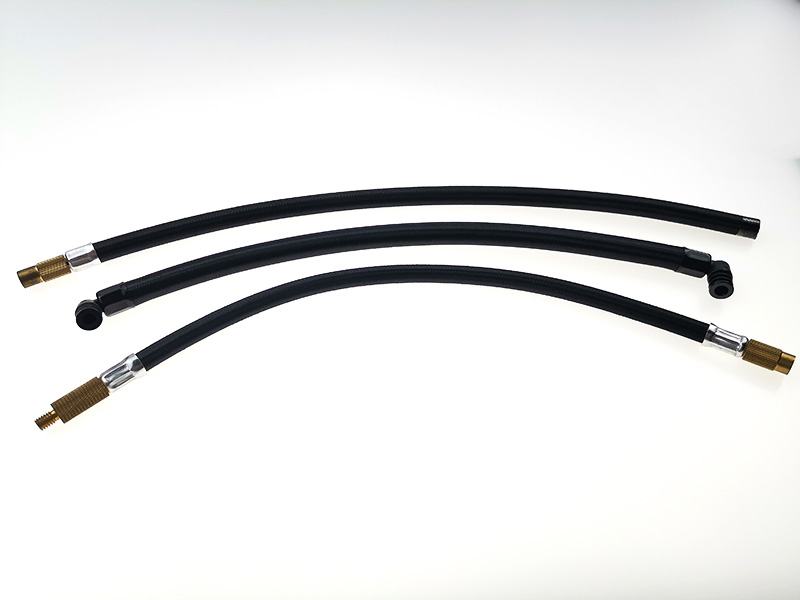
散热器胶管

2、 Storage precautions

1. Choose a suitable storage environment

When storing, a cool, dry, and well ventilated environment should be chosen to avoid direct sunlight and humid conditions. The temperature of the storage environment should be maintained between 0~35 ℃, and it is recommended to be around 15 ℃ to avoid aging and deterioration of the pipe body caused by excessive or insufficient temperature. At the same time, the relative humidity of the storage environment should be controlled below 65% to prevent the pipe from getting damp.

2. Classified storage

During storage, different varieties and specifications should be placed separately and clearly labeled to prevent confusion. For different types of radiator hoses, such as high-pressure hoses, low-pressure hoses, etc., they should be stored separately to avoid confusion during use.

3. Avoid squeezing and stress

When storing, it should be stored in a relaxed state as much as possible to avoid compression and stress. During storage, the condition of the radiator hose should be regularly checked to ensure that it is not damaged.

4. Limit stacking height

The height of the stack during storage should be limited to the extent that the bottom rubber hose does not undergo permanent deformation. The height of the stack should generally not exceed 1.5 meters, and it should be frequently "stacked" during storage, generally not less than once every quarter, to prevent the pipe body from being compressed and deformed for a long time.

5. Avoid electromagnetic interference

When storing, it should be kept away from equipment that can generate electromagnetic fields, such as high-voltage electrical equipment, motors, etc., to prevent electromagnetic field changes or fluctuations from causing induced currents in metal joints, which can generate heat and damage the pipe body.

6. Regular inspection

During storage, its condition should be regularly checked, including checking for cracks, damage, aging, and other phenomena on the pipe body, as well as checking for loose or corroded metal joints. Any issues discovered should be promptly addressed to ensure that the radiator hose can function properly when needed.

7. Comply with storage period

The storage period should be as short as possible. During the storage process, the principle of "first in, first out" should be followed to ensure that it is used within the validity period. For radiator hoses that have exceeded their storage period, performance testing should be conducted to ensure that they still meet the usage requirements.

3、 Maintenance and upkeep

1. Regular cleaning

After use, it should be cleaned in a timely manner to remove residues and impurities inside the tube, in order to prevent them from corroding the tube body.

2. Avoid excessive bending

Excessive bending should be avoided during use to avoid causing the pipe body to rupture or be damaged. When assembling pipe joints, it is necessary to ensure that the pipe joints, hoses, and fixing methods are matched to avoid excessive tension or pressure on the pipe body at the connection.

3. Regular inspection and replacement

During use, its condition should be regularly checked, including checking for wear and leakage of the pipe body, as well as checking for loose or corroded metal joints. Any problems discovered should be promptly addressed, such as replacing severely worn pipes or joints. Meanwhile, for radiator hoses with a long service life, performance testing should be conducted to ensure that they still meet the usage requirements.

The transportation and storage precautions for radiator hoses involve multiple aspects, including selecting appropriate transportation methods, reasonable stacking and fixing, avoiding direct sunlight and rain, preventing contact with corrosive substances, and handling with care. During storage, it is necessary to choose a suitable storage environment, classify storage, avoid squeezing and stress, limit stacking height, avoid electromagnetic interference, and maintain cleanliness. Only by proper transportation, storage, and maintenance can the performance and quality of radiator hoses be ensured, their service life be extended, and strong guarantees be provided for the normal operation of automotive cooling systems.


Steel wire braided rubber hose manufacturer, specifications and models, wholesale prices, which direct sales company is good