
Attention to details when using high-pressure steel wire braided rubber hose
Time:2022-08-22Page views:3058High-pressure steel wire braided hoseIts characteristic is excellent resistance to gasoline and aliphatic hydrocarbons, second only to polysulfide rubber, acrylic ester, and fluororubber, but superior to other ordinary rubbers. The steel wire mesh is evenly distributed without leakage, and the thicker the inner steel wire diameter, the better. Pay attention to whether the thickness of the adhesive layer inside the wall is uniform, and the size of the holes on the hose should be distinguished using standard joints as much as possible. It has heat resistance, airtightness, wear resistance, good water resistance, strong adhesion, but the disadvantages are poor cold resistance and ozone resistance, low strength and elasticity, poor acid resistance, poor electrical insulation, poor resistance to polar solvents, and an application temperature range of about -30 ℃~100 ℃. It is mainly used to make various oil resistant products, such as rubber hoses, sealing products, etc.
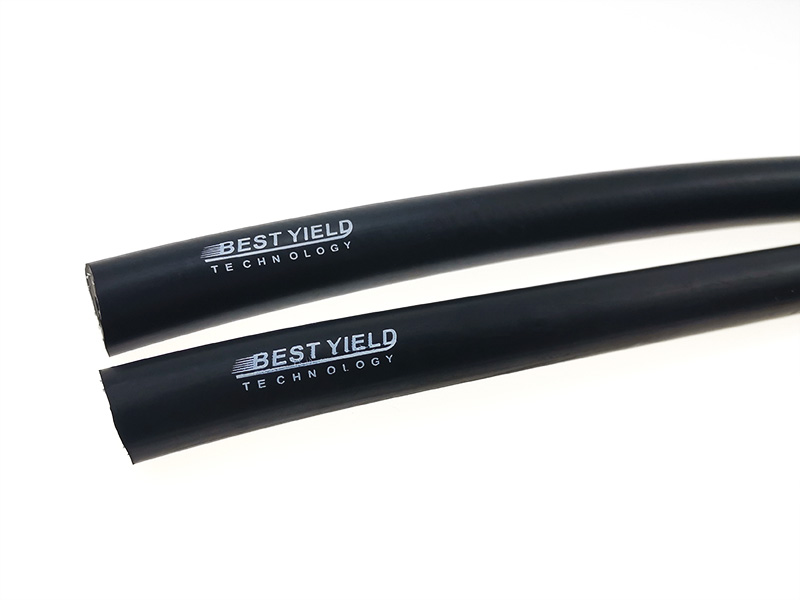
Due to the complex variety and diverse structures of high-pressure steel wire braided rubber hoses, as well as different usage conditions, the service life not only depends on quality, but also on correct use and maintenance. Therefore, if not used and maintained correctly, it will also affect its quality and service life, so some precautions need to be taken during use. High pressure hoses and hose assemblies can only be used to transport materials designed for transportation, otherwise it will reduce their service life or fail. The length of high-pressure rubber hoses will change under high pressure (-4% -2%) and the length change caused by mechanical motion.
High pressure steel wire braided rubber hoses and hose assemblies should not be used under pressure exceeding the design working pressure (including impact pressure). In general, the temperature of the medium conveyed by high-pressure rubber hoses and hose assemblies should not exceed -40 ℃ -120 ℃, otherwise it will reduce their service life. High pressure rubber hoses and hose assemblies should not use a smaller bending radius than the hose to avoid bending or warping near the pipe joint, otherwise it will hinder hydraulic transmission and material transportation or damage the high-pressure hose assembly.