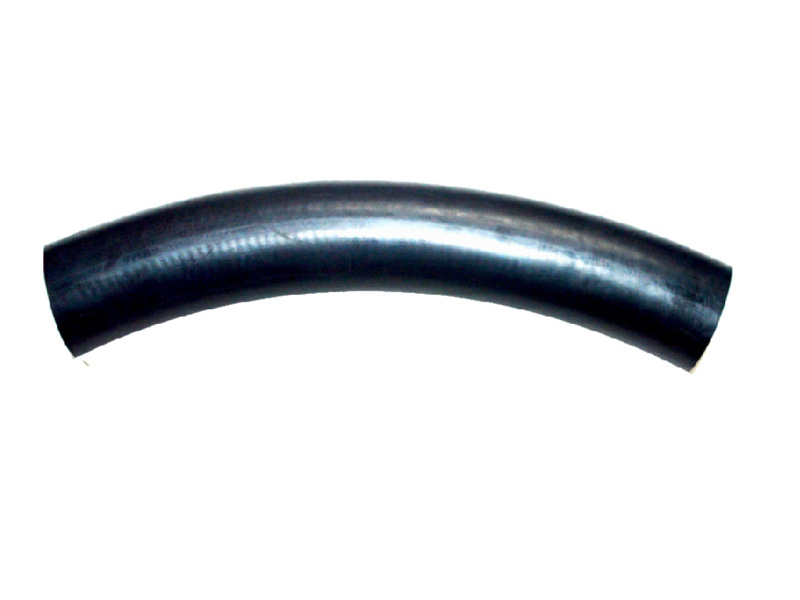
Proper handling of details during the installation of steel wire braided rubber hoses
Time:2025-04-30Page views:517As a high-performance conveying pipeline, steel wire braided rubber hose is widely used in various fields such as industry, agriculture, and construction, especially in conveying materials that require high pressure, temperature, or corrosive properties. It is an important component. However, although steel wire braided rubber hoses have powerful functions, their scope of use and installation methods must strictly comply with design specifications to ensure their safe and efficient operation. This article will explore the details that need to be paid attention to during the installation process, aiming to help relevant personnel correctly install, maintain, and use such pipelines.
1、 Confirmation of material compatibility
The original intention of designing steel wire braided rubber hoses is to meet the transportation needs of specific materials. Before installation, it is necessary to confirm whether the material and structure of the selected rubber hose match the properties of the material to be transported. For example, for highly corrosive chemicals, rubber hoses lined with fluororubber or polytetrafluoroethylene with excellent corrosion resistance should be selected; For high-temperature environments, it is necessary to use rubber hoses made of high-temperature resistant materials. If the material contains solid particles, it is also necessary to ensure that the inner wall of the hose is smooth to reduce the risk of wear and blockage. Neglecting material compatibility may lead to premature aging, damage, and even safety accidents of the rubber hose.
2、 Installation location and environmental assessment
The selection of installation location should try to avoid installing steel wire braided rubber hoses in areas with high temperature and humidity changes, direct sunlight, or susceptible to physical damage. High temperature environments can accelerate the aging of rubber hose materials, while low temperatures may cause the materials to harden and affect flexibility. At the same time, the support and fixation of the pipeline should be considered to ensure that the pipeline will not undergo displacement or deformation due to vibration or external impact during transportation. In addition, it is necessary to assess whether there are corrosive gases or liquids in the surrounding environment, and if required, protective measures should be taken, such as adding protective covers and wrapping pipelines with corrosion-resistant materials.
3、 Correct pipeline connection
The connection of steel wire braided rubber hoses usually adopts flange, quick connector or threaded connection methods. When selecting the connection method, it is necessary to comprehensively consider factors such as working pressure, medium characteristics, and frequency of use. During installation, ensure that the connecting parts are clean, dry, free of oil stains and impurities to avoid affecting the sealing effect. For flange connections, suitable gaskets should be used to ensure that the flange surface is flat, aligned, and the bolts are tightened evenly to avoid excessive local stress leading to leakage. Quick connectors and threaded connections must be strictly operated according to the installation guidelines provided by the manufacturer to ensure a tight and reliable connection.
4、 Pressure and flow control
The design pressure and operating temperature of steel wire braided rubber hoses are important parameters for their safe operation. During installation and use, it is necessary to strictly control the pressure and flow rate of the conveying medium, and not exceed the design limit of the hose. Excessive pressure can cause the hose to expand and rupture, while excessive flow may accelerate internal wear of the hose. Therefore, in system design, control components such as pressure reducing valves and flow meters should be reasonably configured to monitor and adjust system pressure and flow in real time, ensuring that the rubber hose operates within a safe range.
5、 Seismic and noise prevention measures
During the transportation process, especially when the medium is liquid, flow noise and vibration will be generated inside the pipeline. Long term vibration not only affects the lifespan of the hose, but may also cause interference to the surrounding environment. Therefore, during installation, measures for shock absorption and noise reduction should be considered, such as setting up shock-absorbing brackets and using mufflers. For long-distance transportation pipelines, fixed supports and guide supports should be reasonably set up to limit the axial and radial displacement of the pipeline and reduce the impact of vibration on the pipeline and connecting components.
6、 Regular inspection and maintenance
Although steel wire braided rubber hoses are durable, they still require regular inspection and maintenance after long-term operation. The inspection includes but is not limited to: whether there are signs of wear, cracks, and aging on the surface of the hose; Whether the connection parts are loose or leaking; Whether the supporting structure is stable; And whether the system pressure and flow rate are within the normal range. Problems should be dealt with in a timely manner, such as replacing severely worn rubber hose sections, tightening loose connectors, and cleaning up impurities accumulated in pipelines. In addition, the rubber hose should be regularly cleaned to remove dirt attached to the surface, keep the interior of the pipeline clean, and extend its service life.
7、 Safety operation standards
When installing and using steel wire braided rubber hoses, it is necessary to strictly follow the safety operating procedures. Operators should receive professional training to understand the performance characteristics, safety operating procedures, and emergency response measures of rubber hoses. During the homework process, appropriate personal protective equipment should be worn, such as protective goggles, gloves, earplugs, etc., to prevent material splashing, noise, vibration, etc. from causing harm to the body. At the same time, clear safety warning signs should be set up to remind personnel to pay attention to safety and avoid unauthorized personnel entering the work area.
8、 Emergency plan and disposal
Despite taking many preventive measures, unexpected situations may still occur. Therefore, developing a comprehensive emergency plan to ensure that measures can be taken quickly and effectively in emergency situations is crucial for ensuring personnel safety and reducing property losses. The emergency plan should include: emergency response procedures for leakage accidents, equipment and use of fire-fighting facilities, personnel evacuation routes and assembly points, coordination mechanisms with external rescue forces, etc. Improve emergency response capabilities and efficiency through regular drills.
The installation of steel wire braided rubber hoses is a systematic project that involves multiple aspects such as material matching, environmental assessment, connection technology, pressure control, shock and noise reduction, regular inspection and maintenance, safety operation standards, and emergency plans. Only by considering and properly handling these details can we ensure the safe and efficient operation of steel wire braided rubber hoses under complex and changing working conditions, providing strong support for industrial production and daily life.