
Application of refrigerant pipes in cooling systems
Time:2024-08-07Page views:1108As an indispensable part of modern industrial and household appliances, the core function of the cooling system is to effectively manage and dissipate the excess heat generated during equipment operation, in order to maintain stable operation of the equipment within a suitable temperature range. As a key component in this system, refrigerant pipes bear the responsibility of connecting and transmitting refrigerants, and their performance and efficiency directly affect the efficiency of the entire cooling system.
1、 The role and characteristics of refrigerant pipes
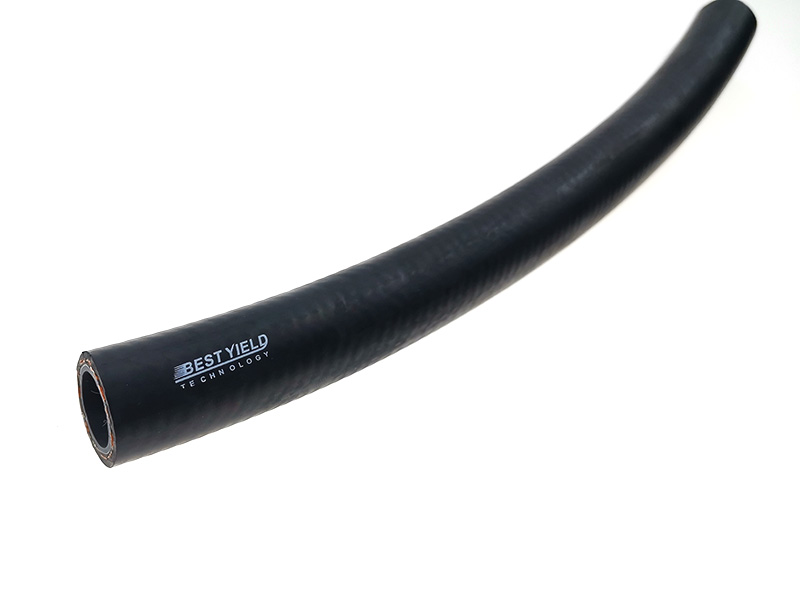
Refrigerant pipes are piping systems designed specifically for transporting refrigerants, made of special materials to ensure that the refrigerant maintains stable physical and chemical properties during flow, while withstanding high pressure, low temperature, and other conditions during system operation. Common materials include copper, stainless steel, and environmentally friendly plastic composite materials that have gradually emerged in recent years. These materials not only have good thermal conductivity and corrosion resistance, but also can reduce their impact on the environment to a certain extent.
In the cooling system, the main task of the refrigerant pipe is to connect various refrigeration components such as heat exchangers, valves, compressors, etc., forming a closed loop. Through this circuit, the refrigerant can achieve a cycle of evaporation, heat absorption, and condensation under the drive of the compressor, continuously carrying the heat generated inside the equipment to the external environment and achieving the purpose of heat dissipation. The design and installation quality of refrigerant pipes are directly related to the flow efficiency and heat dissipation effect of refrigerants, and are one of the key factors in the performance of heat dissipation systems.
2、 Key points of design and installation
1. Material selection: It is crucial to choose the appropriate refrigerant pipe material based on the specific requirements of the cooling system. For example, in situations where high corrosion resistance is required, stainless steel or special alloy materials may be a better choice; In the pursuit of cost-effectiveness and environmental friendliness, environmentally friendly plastic composite materials have more advantages.
2. Pipe diameter and wall thickness: The pipe diameter and wall thickness need to be accurately calculated and selected based on parameters such as system flow rate and pressure. A pipe diameter that is too large can increase material costs and system complexity, while a pipe diameter that is too small may lead to increased flow resistance and decreased heat dissipation efficiency. Similarly, the selection of wall thickness should also take into account both pressure bearing capacity and economy.
3. Connection technology: The connection quality between refrigerant pipes directly affects the sealing and stability of the system. Common connection methods include welding, threaded connection, flange connection, etc. When choosing a connection method, factors such as system operating pressure, temperature range, and ease of operation should be considered.
4. Layout and support: The layout of refrigerant pipes should be reasonable and compact to reduce flow resistance and space occupation. At the same time, to ensure the stability and safety of the pipeline during operation, corresponding support and fixing devices need to be set up.
3、 Application of refrigerant pipes in cooling systems
Taking household air conditioning as an example, refrigerant pipes play an important role in its cooling system. The refrigeration process of household air conditioning can be roughly divided into four steps: compression, condensation, expansion, and evaporation. In this process, the refrigerant pipe is responsible for transporting the refrigerant from the compressor to the condenser of the outdoor unit for heat release, then entering the evaporator of the indoor unit through the throttling device for heat absorption, and returning to the compressor to complete the cycle. If the refrigerant pipe is not designed properly or installed with poor quality, such as a small pipe diameter causing high flow resistance, poor sealing at the connection causing refrigerant leakage, etc., it will seriously affect the cooling effect and energy efficiency ratio of the air conditioner.
In addition, in fields such as data centers and industrial cooling, refrigerant pipes also play a crucial role. With the increasing demand for heat dissipation in these fields, the design and application of refrigerant pipes are also constantly innovating and developing. For example, refrigerant pipes using microchannel technology can significantly improve heat transfer efficiency and reduce energy consumption; The introduction of intelligent temperature control systems enables refrigerant pipes to automatically adjust refrigerant flow and temperature according to actual needs, achieving more precise and efficient heat dissipation control.
As a key component in the heat dissipation system, the performance and efficiency of refrigerant pipes directly affect the overall operation of the system. Therefore, in the design and installation process, it is necessary to fully consider various factors such as system requirements, material characteristics, connection technology, etc., to ensure stable and efficient transmission of refrigerant and provide reliable heat dissipation guarantee for the equipment.