
Requirements for the processing and transportation of high-pressure steel wire braided rubber hoses
Time:2024-04-09Page views:1195High pressure steel wire braided rubber hose has fireproof and flame-retardant functions, mainly used in harsh environments such as steel mills with high working temperatures. Not only should we pay attention to the model specifications during use, but we should also pay attention to the specifications during processing, storage, and transportation. So, what are the requirements for processing and transportation?
1. Processing
During processing, it is necessary to clarify the working pressure of the scene and determine the length of the high-pressure steel wire braided rubber hose assembly. The length should be moderate, not too short or too long. After determining the length, it should be armor. If the external environmental factors are high, asbestos should be added as a flame retardant. Generally, a layer of asbestos can be added; If the external temperature is too high, two layers of asbestos need to be added; If the external temperature is too high, a layer of silicone fireproof sheath should be added.
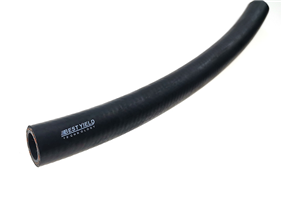
2. Transportation: Be careful when transporting and loading goods. Overloaded goods can be transported using machinery such as forklifts, and do not place excessively twisted rubber hoses. Due to the long transportation time required, if the hose is highly bent for a long time, it will cause significant damage to the hose itself. Secondly, do not place the rubber hose together with objects with sharp parts during transportation to prevent scratching the hose due to bumps during transportation.
3. Storage period: No matter where the high-pressure steel wire braided rubber hose is used, due to the characteristics of rubber material, as long as it is not isolated from the outside world, it will always age, but the aging rate is different. The reason for rubber aging is the oxidation reaction of oxidizing substances such as oxygen, and factors that affect the rate of oxidation reaction include temperature, ultraviolet radiation, oxygen concentration, etc. Therefore, when storing rubber hoses, they should be kept away from light, ventilated, and there should be no heat sources nearby, let alone close contact with equipment that can produce oxidation reactions.
When installing high-pressure steel wire braided rubber hoses, try to avoid heat sources and stay away from the engine exhaust pipe. If necessary, use sleeves or protective nets to prevent the hose from deteriorating due to heat. When the rubber hose needs to pass through or may rub against the mechanical surface during operation, protective devices such as pipe clamps or springs should be used to prevent damage to the outer layer. When bending is required in an application, the bending radius should not be too small and should meet the multiple requirements. The connection between the rubber hose and the joint should have a straight pipe section with twice the outer diameter of the pipeline, and installation should avoid being in a tight state as much as possible. Even if there is no relative movement between the two ends of the hose itself, it should be kept loose to avoid the hose expanding under pressure and causing a decrease in strength.