
Reasons and solutions for oxidation and hardening of the inner rubber layer of steel wire braided rubber hose
Time:2024-12-11Page views:847Steel wire braided rubber hose is a high-performance conveying pipeline widely used in the fields of petroleum, chemical, metallurgy, machinery, agricultural irrigation, etc., for conveying various liquids and gases. The inner adhesive layer directly contacts the conveying medium, requiring not only good sealing and corrosion resistance, but also a certain degree of flexibility to adapt to pipeline bending and vibration. When exploring the phenomenon of oxidation and hardening of the inner rubber layer in steel wire braided rubber hoses, it is necessary to analyze the reasons for the oxidation and hardening of the inner rubber layer in combination with its working environment, and propose corresponding preventive measures and solutions.
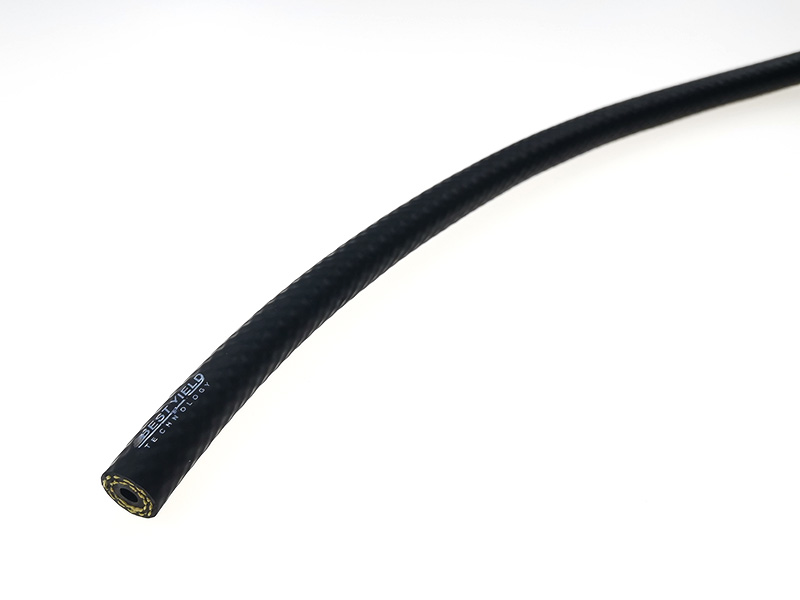
1、 Analysis of the reasons for the oxidation hardening of the inner adhesive layer
1. High temperature and high pressure working environment
In high-temperature and high-pressure working environments, the inner rubber layer of steel wire braided rubber hoses is prone to thermal aging. The plasticizer in the inner adhesive layer is prone to loss at high temperatures, causing the inner adhesive layer to harden and lose elasticity. In addition, when the oil flows in the system, if it experiences a significant pressure drop, it may cause the oil to decompose, producing chemicals that further accelerate the oxidation and hardening of the inner rubber layer.
2. Chemical erosion in the medium
The degree of corrosion of rubber hoses varies with different media. Some media contain corrosive substances such as acid, alkali, salt, etc., which can directly act on the inner rubber layer, causing chemical changes in the material of the inner rubber layer and subsequently hardening. In addition, impurities and moisture in the oil can also exacerbate the oxidation process of the inner rubber layer.
3. Excessive compression and bending
During the use of steel wire braided rubber hoses, if they are subjected to excessive compression, bending, or twisting, it can cause local excessive stress on the inner rubber layer. The oil flow rate in these areas increases, generating more heat and accelerating the oxidation and hardening of the inner rubber layer. This phenomenon is particularly evident at the joints or in areas with small bending radii.
4. Long term use and improper maintenance
The service life of steel wire braided rubber hoses is limited, and prolonged use can cause natural aging of the inner rubber layer. Meanwhile, if regular cleaning and maintenance are not carried out during use, or aging rubber hoses are not replaced in a timely manner, it will exacerbate the oxidation and hardening process of the inner rubber layer.
3、 Preventive measures and solutions
1. Optimize the working environment
Try to reduce the working temperature and pressure of the steel wire braided rubber hose as much as possible, and avoid prolonged exposure to high temperature and high pressure environments. At the same time, keep the hydraulic system's oil clean, regularly replace the oil, and reduce the erosion of impurities and moisture on the inner rubber layer.
2. Choose the appropriate medium
Choose the appropriate steel wire braided rubber hose based on the properties of the conveying medium. For media with strong corrosiveness, the inner rubber layer material with higher corrosion resistance should be selected.
3. Standardized installation and use
When installing and using steel wire braided rubber hoses, excessive compression, bending, and twisting should be avoided. Ensure that the bending radius meets the specifications and reduce the situation of excessive local stress. At the same time, follow the correct operating method and do not exceed the working pressure and temperature range of the hose.
4. Regular inspection and maintenance
Regularly inspect the steel wire braided rubber hose and observe whether the inner rubber layer has hardened, cracked, or other phenomena. Once abnormalities are detected, the rubber hose should be replaced promptly. At the same time, regularly clean and maintain the rubber hose, remove dirt and chemicals, and extend the service life of the hose.
5. Improve product quality
Manufacturers should strictly control the production quality of steel wire braided rubber hoses, selecting high-quality inner rubber layer materials and reinforcing layer steel wires. The corrosion resistance and aging resistance of the hose are improved by improving the production process and testing means.
The oxidation and hardening of the adhesive layer inside the steel wire braided rubber hose is a complex process that involves multiple aspects such as working environment, medium properties, and usage methods. By optimizing the working environment, selecting suitable media, standardizing installation and use, conducting regular inspections and maintenance, and improving product quality, measures can be taken to effectively prevent and solve the problem of oxidation and hardening of the inner rubber layer, ensuring the normal operation and service life of the steel wire braided rubber hose.