Causes of leakage of radiator hose and precautions for use
时间:2022-04-15浏览次数:1630High quality products will always be liked, but no matter what products have failures, so does the radiator hose. Here is the reason for its failure.
1. Tube burst
According to the location of the burst, the pipeline burst can be divided into two ways. If the bursting position is located on both sides of the hose, the distance between the two is within 25mm of the crimping sheath. The reason for the bursting of this part is that the rubber pipe is improperly manufactured or installed, such as the rubber pipe is stretched and deformed during the whole installation process, or the bending radius of the rubber pipe is lower than the minimum allowable bending radius. If the split distance is 25mm from the button jacket, this burst is mostly caused by the high working pressure of the hydraulic transmission system or the damage of the pipe body.
2. Sand hole leakage on heat-resistant hose body
Generally, the leakage of sand hole pipe body is mainly the leakage or linear introduction of vulcanized rubber outside the rubber pipe after foaming. Sand holes on the tube body are mainly caused by the product quality problems of the rubber tube, such as the residue of rubber in the tube body, local damage of the tube body, defects of the tube body when the mold is taken out, etc.
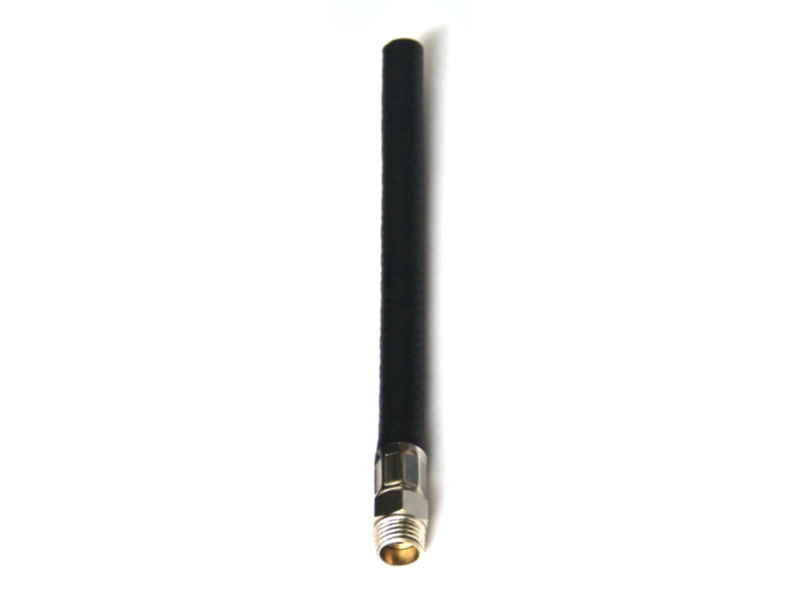
3. Leakage at the interface
The leakage at the interface is mainly due to the inconsistent specification of the vulcanized rubber hose connector and the connecting connector connecting other parts, or the mismatch between the vulcanized rubber hose connector and the connecting connector. If there is a fault in the radiator hose, don't panic. First analyze the existing problems, whether the pipe body bursts, or some connecting parts leak, so as to master the causes of common faults, or disassemble and replace the connectors or pipes with matching specifications, so as to ensure that it is not easy to endanger subsequent manufacturing.
matters needing attention:
1. During the initial installation, it is not necessary to twist the hose, otherwise the radiator hose will be damaged or the connector will be loose.
2. Install the vulcanized hose in the middle of the object, leaving a certain indoor space to prevent the vulcanized hose from rubbing with the object during operation. If not, try to get some protection, such as coating high-pressure glue to protect the wire sleeve.
3. During all normal operations, the drive of the valve seat must not be too fast, but must be gentle, otherwise the hose will rupture.
4. In order to better prevent the hose from being damaged and the water flow is limited, the bending radius should be expanded as much as possible.
5. When the temperature of the hydraulic transmission system is too high during operation, the hydraulic pipe should be checked immediately, and necessary refrigeration countermeasures should be taken during continuous operation.
6. When the bending radius of heat-resistant hose is too small, inclined joints are generally used to prevent large bending and twisting of the hose.
Jiayuxing is an enterprise integrating R & D and production, specializing in the production of various sanitary ware, pneumatic, hydraulic hose, radiator hose, water cooling pipe, refrigerant pipe, stainless steel hose, steel wire braided pipe, braided pipe, rubber pipe, industrial and medical endoscope catheter, etc.